Fake Data Generator
Generate realistic test data in one click: pick your fields, set the row count, and export as JSON, CSV, or ready-to-run SQL INSERT statements. No signup, no server setup, no row-limit games — it all runs in your browser.
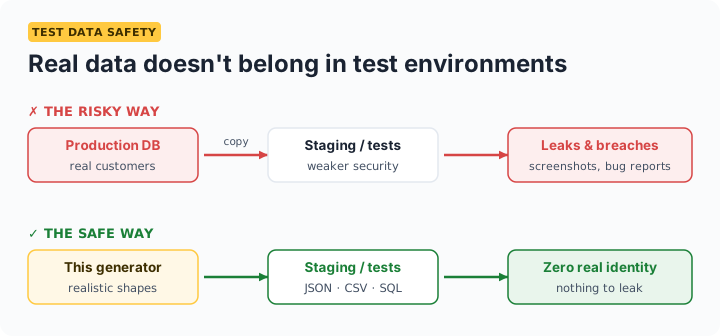
Why fake data? Testing with real customer data is a privacy incident waiting to happen — one leaked staging database or shared screenshot exposes real people. Generated data gives you realistic shapes (valid-looking emails, plausible names and dates) with zero real-world identity behind any record.
What you can generate
| Field | Example output |
|---|---|
| Full name | Ananya Sharma, Liam Chen — realistic Indian and international mix |
| ananya.sharma42@example.com — always on reserved safe domains | |
| Phone | +91 98XXX XXXXX format |
| Company / job title | Fictional companies, realistic roles |
| Date / UUID / boolean / amount | 2020–2026 dates, v4 UUIDs, decimals for prices |
Emails use reserved documentation domains (example.com, test.org) so generated addresses can never accidentally reach a real inbox. Names mix Indian and international patterns, which matters if you're testing UI layouts against realistic name lengths.
Frequently asked questions
Why should I use fake data instead of real customer data for testing?
Real data in test environments is a leading cause of data breaches — staging databases have weaker protections, get shared in screenshots, and end up in bug reports. Generated data has realistic shape (valid formats, plausible values) with zero real identity behind it, which also helps with GDPR and India's DPDP Act compliance.
Can the generated emails accidentally reach real people?
No. All generated emails use reserved documentation domains like example.com and test.org, which are guaranteed by internet standards never to have real mailboxes.
How is this different from generatedata.com and similar tools?
No self-hosting, no PHP setup, no account, and no row-limit upsell: everything generates instantly in your browser, up to 1,000 rows per click, exportable as JSON, CSV, or SQL INSERT statements. Click generate again for another thousand.
Is the data random every time?
Yes — each click produces fresh random combinations of names, values, and UUIDs. If you need the same dataset twice, generate once and download it rather than regenerating.